

On World AIDS Day 2025, we reflect on the progress made against HIV/AIDS and the challenges that remain. Globally, new HIV infections have declined by roughly 40 per cent since 2010.
However, here in Manitoba, our trend is troubling: the province has seen a 52 per cent increase in new HIV diagnoses between 2018 and 2021. This stands in sharp contrast to global declines and highlights an urgent need for research-driven solutions to prevent transmission and improve care.
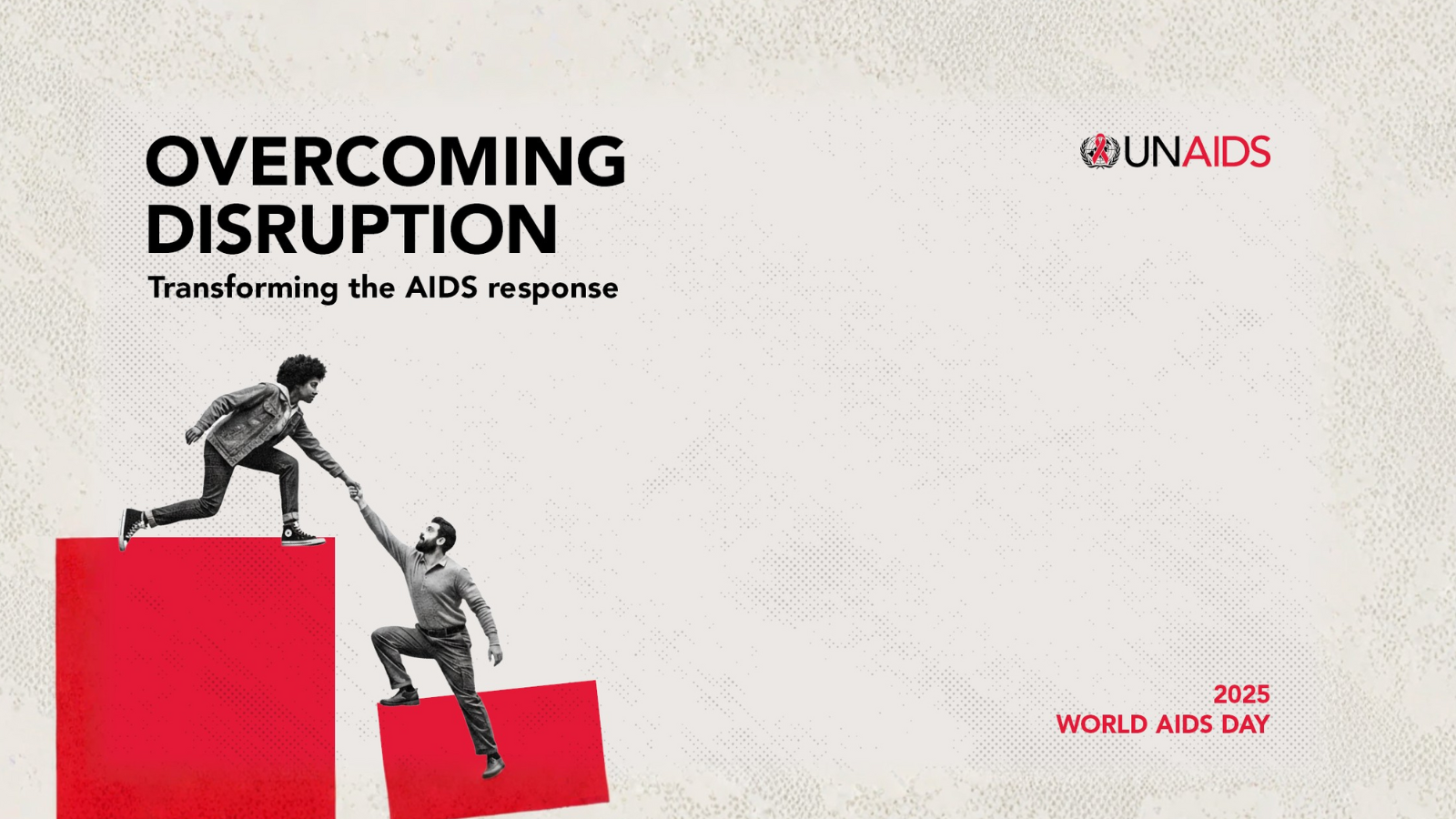
This year’s World AIDS Day theme, “Overcoming disruption, transforming the AIDS response”, calls on all of us to respond to global threats facing the HIV response, including funding cuts, service interruptions and growing inequalities, with renewed innovation, resilience and collective action.
Research Manitoba is proud to support a diverse research community advancing HIV prevention, treatment and stigma reduction. Over the past five years, we have invested more than $1.16 million in HIV-related projects, and HIV/AIDS research has been an important area of investment for us since our launch in 2014.
Below, read about just a few of the many HIV research projects that we have invested in:
Prevention
Manitoba researchers are leveraging local expertise to develop next-generation prevention tools that respond to contexts where standard prevention methods may be less accessible. These innovations reflect the kind of transformation called for in the global response.
- Emmanuel Ho focused on developing “smart” intravaginal rings for drug delivery to prevent HIV infection. These rings release nanomedicines during sexual intercourse, targeting genes crucial to HIV infection. (Operating Grant, 2014, Emmanuel Ho, “Smart Intravaginal Rings for Drug Delivery”)
- Morgan Taverner investigated how oral aspirin (ASA) treatment might reduce HIV susceptibility by lowering inflammation and maintaining genital tract barriers. (Masters Studentship Award, 2022, Morgan Taverner, “Investigating the mechanistic effects of oral ASA treatment on HIV susceptibility”)
- Shruti Rathore is studying associations between vaginal microbiota and immune responses to identify factors influencing HIV risk in women. (Masters Studentship Award, 2023, Shruti Rathore, “Defining associations between vaginal microbiota, chemokines, and CXCR3+ T cells in the female genital tract”)
Treatment
A number of Manitoba investigators have projects that explore how HIV avoids or interacts with the immune system: from molecular mechanisms of viral entry to host-resistance factors. These efforts build a strong provincial base in immunology and molecular virology.
- Xiaojian Yao led research on viral-host interactions to understand HIV replication and develop new anti-HIV strategies. (Manitoba Research Chair, 2014, Xiaojian Yao, “Better understanding of viral/host interactions necessary for the establishment of HIV infection: Mobilizing knowledge to action”)
- Oluwaseun Ajibola explored cellular mechanisms driving HIV latency in T-cells, aiming to overcome barriers to a complete cure. (Masters Studentship Award, 2021, Oluwaseun Ajibola, “Cellular mechanisms that drive HIV-1 latency in T-cells”)
- Riley Greenslade is investigating how T-cell receptor signaling influences HIV reservoir dynamics, a key challenge in curing HIV. (PhD Research Studentship Award, 2025, Riley Greenslade, “Investigating the impact of TCR signaling events on HIV reservoir dynamics”)
Community
Manitoba projects have examined the lived experiences of Indigenous and other marginalized groups, how substance use and violence affect HIV risk, and how stigma and social isolation prevent access to care. These community-centred studies show how research can reach beyond the lab to influence programs, policy and practice.
- Alexandrea Anderson examined health equity for Manitobans living with HIV, focusing on cancer care disparities using population-based data. (Masters Studentship Award, 2018, Alexandrea Anderson, “Achieving health equity for individuals living with HIV in Manitoba: Identifying potential cancer care disparities using population-based data”)
- Emma Sandstrom analyzed how violence is conceptualized in HIV programming for adolescent girls and young women who sell sex in Ukraine, aiming to improve prevention strategies. (Masters Studentship Award, 2022, Emma Sandstrom, “An Exploration of How Violence is Conceptualized in HIV Research and Programming for Adolescent Girls and Young Women Who Sell Sex in Ukraine”)
- Angela Copete‘s research addressed Mycoplasma genitalium, an emerging sexually transmitted infection that increases HIV acquisition risk and shows rising antimicrobial resistance. This work focused on understanding infection rates and resistance patterns among populations disproportionately affected by HIV in Manitoba, which is crucial for community health and prevention strategies.
(PhD Research Studentship Award, 2025, Angela Copete, “The silent impact of Mycoplasma genitalium, an emergent cause of sexual infections and increasing antimicrobial resistance profile”)
Together, these projects tackle HIV/AIDS response by bridging biomedical innovation and social action.
Supporting emerging leaders: The Dr. Dick Smith Research Fellowship
A key part of our commitment to HIV Research is the Dr. Dick Smith Research Fellowship in HIV Epidemiology, created in partnership with the Manitoba government. Named in honour of Dr. Dick Smith, a pioneer in HIV treatment and education in Manitoba, the fellowship builds research capacity and supports new investigators focused on local HIV challenges.
The inaugural fellow, Dr. Titus Olukitibi, is advancing community-based education and prevention. His work in Winnipeg high schools strengthened youth knowledge about HIV prevention, transmission and treatment, while his research on solvent use and HIV susceptibility provides insights that will inform local prevention strategies. His project exemplifies transformation in the HIV response by engaging youth, educators and community partners in sustained, practical action.
A provincial role in global progress
On this World AIDS Day, Research Manitoba reaffirms our commitment to funding research and supporting researchers whose work prevents new infections, improves treatments and dismantles stigma surrounding HIV/AIDS. The world is in a moment of both risk and opportunity: life-saving HIV services are under pressure, but innovation, courage and community leadership offer the path forward.
By continuing to invest in Manitoba’s strengths in immunology and community research, and by collaborating with partners across the province and around the world, we are helping to ensure that the disruption we face becomes the impetus for transformation. In that spirit, we stand ready to make the change that will get us closer to ending AIDS as a public-health threat.